GMP Degree / Mechanical and Manufacturing Engineering
Itinerary:
- Innovating for the Industry of the Future
Work-study programs are available starting in the third year (apprenticeship contract and professional training contract)
All training programs are available as (for employees, individuals, or job seekers), subject to meeting the required prerequisites and complying with the terms and conditions of each course.
the diploma
- Level 6: Bachelor's degree level, 180 ECTS
- Competency-Based Approach
- 3-Year Integrated Program
- Easier International Mobility
- A training program heavily structured around real-world work scenarios
objectives
The Mechanical Engineering and Manufacturing Technology Bachelor’s degree program aims to train mid-level managers for the industry, equipping them with analytical and synthesis skills and a genuine industrial perspective.
Suggested itineraries
Only one program will be offered starting in September 2027
- Innovation for Industry
Target Skills
Core Competencies
- Specify the technical, economic, and industrial requirements
- Determine the conceptual solution
- Implement the selected technical solution
- Manage the product and production system lifecycle
Possible areas of innovation:
- Industrial Creativity: Strengthening Engineering Design Capabilities and Developing Industrial Design Skills
- Industrial Performance Management: Building Expertise in Processes, Production Management, and Quality
training organization
Start date: September.
Duration: 3 years.
Total hours: 2,000
Total hours for supervised projects:600
Internship: Minimum of 22 weeks over the course of the 3 years
Assessment method: Continuous assessment.
Work-study program: Possible in the 3rd year
lessons
SEMESTER 1
Learning and Assessment Situations (SAé):
- SAé 1-1: Consumer Product Analysis
- SAé 1-2: Modification of a Mechanical System
- SAé 1-3: From Digital Model to Physical Prototype
- SAé 1-4: Structural Organization of the Industry
Resources (materials)
- Mechanics
- Materials Science
- Applied Mathematics and Scientific Tools
- Mechanical Engineering
- Engineering Tools
- Production – Methods
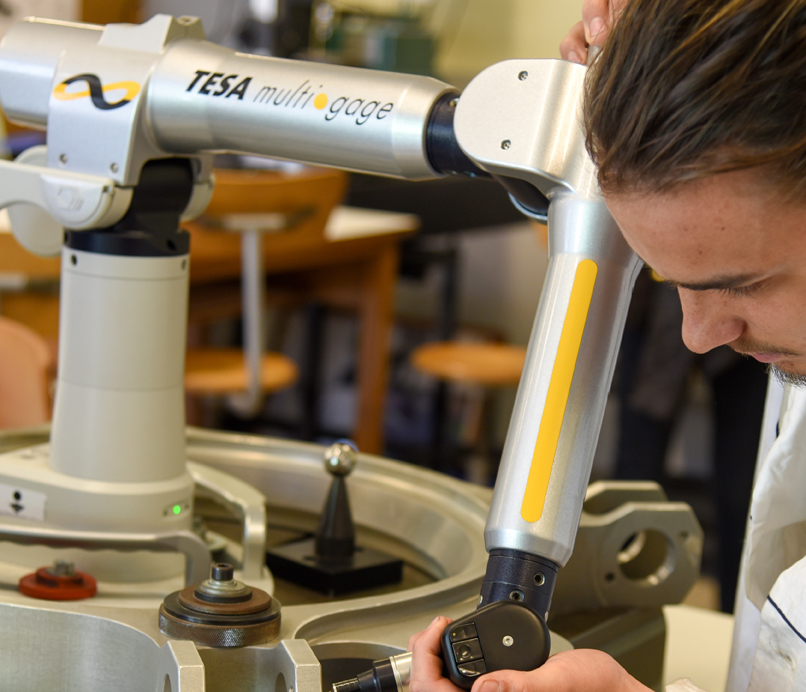
- Metrology
- Electricity
- Expression – Communication
- Languages
- PPP
SEMESTER 2
Learning and Assessment Situations (SAé):
- SAé 2-1: Specification of Parts Manufacturing Processes
- SAé 2-2: Implementation of a Robotic Production Cell
- SAé 2-3: Manufacturing a Single Part
- SAé 2-4: Managing Stabilized Production
- SAé 2-5: Design of a Safety Component
Resources (materials)
- Mechanics
- Structural Design
- Materials Science
- Applied Mathematics and Scientific Tools
- Mechanical Engineering
- Engineering Tools
- Production – Methods
- Metrology
- Organization and Industrial Management
- Automation
- Computer Science
- Expression – Communication
- Languages
- PPP
further education
- Engineering schools: ENI, INSA, ENSAM, Polytech, ITII, …
- At the university (Bachelor’s–Master’s– PhD ’s program),
- Professional Bachelor's Degree,
- At the Nîmes University Institute of Technology (IUT): LP MMS, Mechanical Engineering Program in Industrial Structures, in partnership with Polytech Montpellier.
industries – business lines
Careers
DESIGN:
- Senior Design Engineer
- Technical Draftsman
- Engineering Assistant
PRODUCTION:
- Senior Technician in Methods and Industrialization
- Advanced Technician in Quality and Metrology
- Automated Production Control and Maintenance
MARKETING:
- Industrial Account Manager/Technical Sales Representative
Sectors:
- Transportation Industry
- Agri-Food Industry
- Industrial Systems Manufacturing
- Robotics
- Innovative Technologies
- Military field
- Energy Sector
- Medical Sector
- Agricultural Systems
- Industrial Equipment Manufacturers
Recruitment and Admission Requirements
General Baccalaureate: Recommended Specializations
Mathematics + Physics and Chemistry or Engineering Sciences
Any other specialty, subject to a review of the application
General BAC earned before 2021: BAC S
Technology Baccalaureate: STI 2D
Apply in January through Parcoursup
Admission evaluation criteria:
- Evaluations from the teaching staff, the homeroom council’s opinion, and reasons for choosing the program
- Grades in specialized courses, French, and language classes
- Grades from 11th and 12th grade in science and general education courses
All courses are available as (for employees, individuals, or job seekers), subject to validation of the required prerequisites. Admission may also be granted through the Recognition of Prior Learning and Experience (VAE, VAP, or VES) process. Contact the continuing education department at the University of Montpellier – Nîmes Offices
PARCOURSUP PUBLIC REPORT
Pros
Student Challenges in the Context of Projects
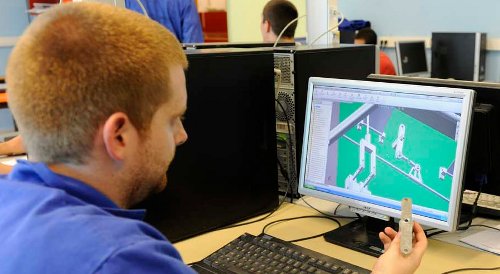
Computer lab equipped with the latest versions of design, simulation, and manufacturing software
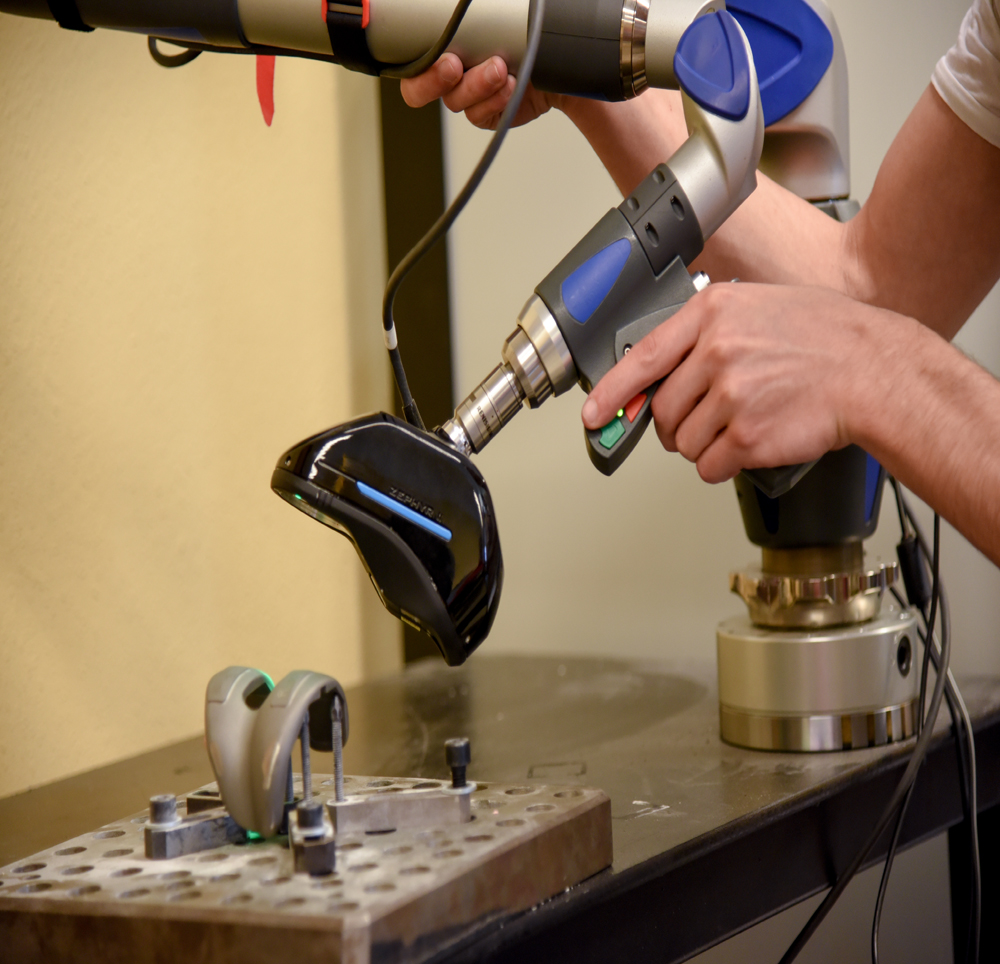
State-of-the-art technological equipment: machining centers, digital press brakes, cutting machines, welding robots, welding and NDT processes, rapid prototyping machines: 3D printing, 3D scanners
Gard Technology Platform (PFT 3D INNOV) at our offices
Extensive industry partnerships: professional speakers, mentored projects, alumni lectures, industry internships